Registered before? Log in to use your saved details.
If you registered an account, please enter your details below to login. If this is your first time, proceed to the donation form.
Zaytuna Community Masjid is more than just a place of prayer, it is the heart of our community, serving over 40,000 Muslims and non-Muslims in West Birmingham.
Towards a Debt Free Masjid & Phase 2 Development
Our Vision – Creating Faithful & Thriving Communities
We serve as a vibrant hub for the people of Quinton, Harborne, and the wider West Birmingham. Our new Masjid is a place where faith, community, and service come together.
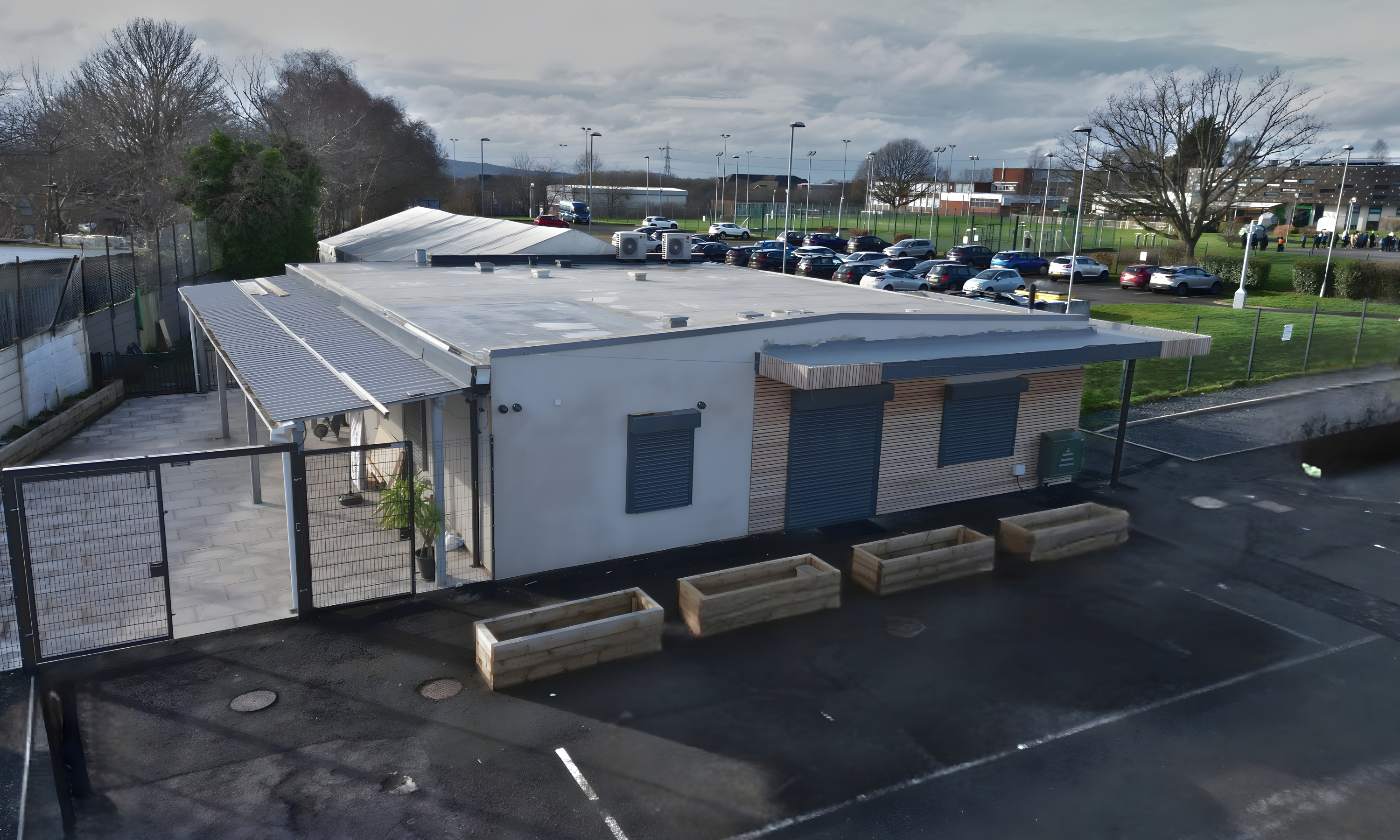
- A place of worship with 200+ prayer spaces for men and women
- A dedicated community hall for education, youth programs, and social services
- A safe and welcoming space for children, families, and new Muslims
- A hub for faith, growth, and unity, bringing people together through events, activities, and support services
Our hands are currently tied with a debt of £245,000. It cannot grow or expand its services with a debt burdening and holding it down.
Your Masjid needs you. Zaytuna Community Masjid must remove its debt. This will enable us to rebuild the building where the current marquee stands and give us classrooms for child and adult education, and it will also allow us to return the current Masjid hall to being a space for vital community and youth services.
Clearing this loan is not just a financial goal, it is the key that unlocks the future of our masjid.
The Messenger of Allah ﷺ said: “Whoever builds a mosque for the sake of Allah, like a sparrow’s nest for Allah or even smaller, Allah will build for him a house in Paradise.” (Sunan Ibn Majah 735)